|
|
 |
|
|
|
|
| New York
Architecture Images- Search by style Structural Expressionism |
|||||||||||||||||||||
| Approximate Dates 1975 to the present | |||||||||||||||||||||
|
|||||||||||||||||||||
|
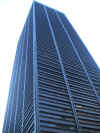
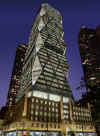
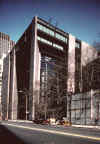
Style Definition Also called "high-tech modernism", Structural Expressionism is a specific branch of advanced modernism in which buildings display their structural elements visibly inside and out. The larger design features are liberated by the possibilities of engineering, while detailing is generally faithful to the principles of the International Style. Common features include detached frames, exposed trusswork, and highly complex shapes requiring unusual engineering. Structures in this style tend to be metallic, in contrast to the older brutalist style which usually employs concrete. Precedents of Structural Expressionism include modern buildings like the John Hancock Center and U.S. Steel Tower. Structural Expressionism was born as a distinct style with some of the early work of the Richard Rogers Partnership, including the Centre Pompidou in Paris. The style's leading practitioner is the firm Foster and Partners, led by Norman Foster. The architect Santiago Calatrava is another major figure, with a more naturalistic form of this style |
|||||||||||||||||||||